
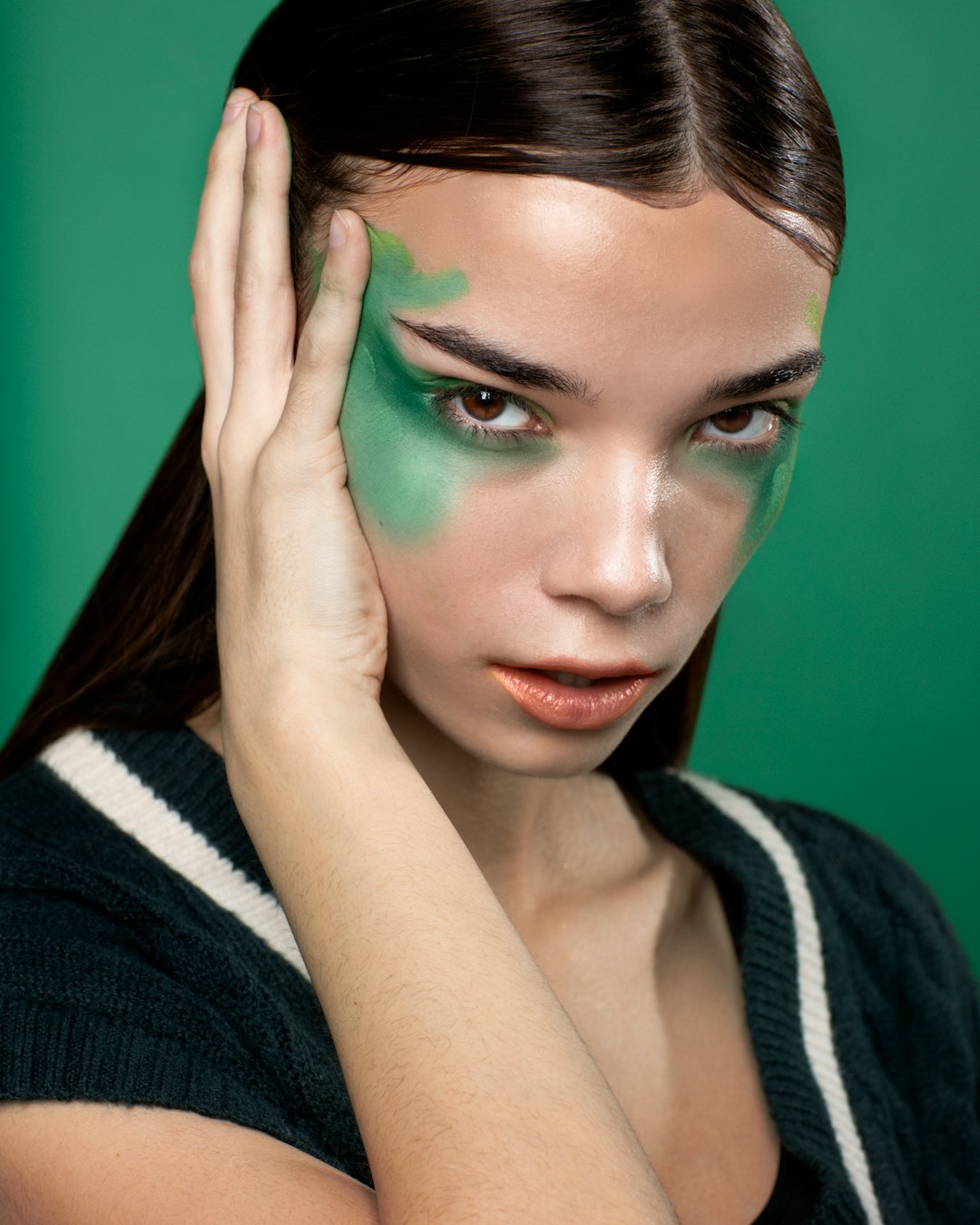
As a licensed esthetician and skincare specialist at Sun Oak Bay, I've collaborated with countless makeup artists who all share the same fundamental belief: exceptional makeup begins with exceptional skin. The relationship between skincare and makeup is undeniable—even the most skilled visagiste cannot achieve optimal results on poorly prepared skin.
In this comprehensive guide, I'll share the essential skincare foundations that professional makeup artists consistently rely on to create the perfect canvas. These principles transcend trends and work across all skin types to ensure makeup applies flawlessly and wears beautifully throughout the day.
The Visagiste's Approach to Skin
Professional makeup artists approach skincare differently than the average consumer. While many skincare routines focus on long-term results, a visagiste balances immediate visual improvements with long-term skin health. This dual focus creates the optimal foundation for makeup application while supporting the skin's natural functions.
Essential Skincare Steps for Flawless Makeup
1. Strategic Cleansing
Professional makeup application begins with meticulously clean skin. However, the cleansing approach differs significantly from routine face washing:
- Pre-Makeup Cleansing: Even if a client arrives with "clean" skin, professional visagistes often perform a gentle cleanse to remove any residual skincare products or natural oils that might interfere with makeup adhesion.
- Temperature Consideration: Lukewarm water is essential—hot water strips necessary oils while cold water doesn't effectively dissolve impurities.
- Cleanser Selection: Professionals select cleansers based on both skin type and the makeup look being created:
- For matte, long-wear looks: A balancing gel cleanser that removes excess oil without stripping
- For radiant, dewy looks: A hydrating cream or milk cleanser that maintains the skin's natural moisture
- Application Technique: Gentle, circular motions with fingertips or a soft microfiber cloth—never harsh scrubbing that can create irritation and redness.
Professional Tip: For makeup that needs to last through challenging conditions (hot weather, long events), many visagistes perform a double cleanse—first with an oil-based cleanser to dissolve surface impurities, followed by a water-based cleanser to purify pores. This creates an exceptionally clean canvas for makeup application.
2. Thoughtful Exfoliation
Smooth skin is essential for seamless makeup application, making exfoliation a critical step in a visagiste's preparation:
- Timing is Everything: Professional makeup artists rarely perform intense exfoliation immediately before makeup application (this can cause redness and sensitivity). Instead, gentle exfoliation is performed at least 24 hours before important makeup applications.
- Method Selection: The choice between chemical and physical exfoliation depends on the skin's needs:
- For texture and flakiness: Gentle physical exfoliation with ultra-fine particles or soft cloths
- For congestion and dullness: Mild chemical exfoliants with AHAs or BHAs
- Pre-Makeup Micro-Exfoliation: For day-of smoothing without irritation, visagistes often use gentle enzyme-based exfoliants that dissolve dead skin cells without physical scrubbing.
Professional Tip: Before major events or photoshoots, experienced makeup artists recommend a professionally administered light chemical peel or enzyme treatment 5-7 days prior. This provides sufficient time for any initial redness to subside while revealing fresh, smooth skin that creates the perfect makeup canvas.
3. Strategic Hydration Layering
Properly hydrated skin allows makeup to blend seamlessly and maintain its integrity throughout wear. Professional visagistes approach hydration as a multi-step process:
- Humectant Base: The first layer applied is always a humectant-rich product (containing ingredients like hyaluronic acid, glycerin, or aloe) to attract water to the skin.
- Selective Moisturizing: Unlike everyday skincare routines that might use the same moisturizer all over, makeup artists often use different formulations for different facial zones:
- Lightweight, oil-free hydrators for the T-zone
- Richer emollients for drier areas like cheeks and jawline
- Absorption Time: Allowing proper absorption time between skincare and makeup application is non-negotiable. Most professionals wait 5-15 minutes for skincare products to fully penetrate before beginning makeup application.
Professional Tip: Many visagistes use facial massage techniques during moisturizer application to improve circulation, reduce puffiness, and ensure the product penetrates effectively. The increased blood flow creates a natural glow that enhances the final makeup look.
4. Targeted Treatment Integration
Professional makeup artists selectively incorporate treatment products that address specific concerns without compromising makeup wear:
- Selective Serum Use: Not all serums work well under makeup. Professionals carefully select formulations based on their interaction with foundation:
- Hyaluronic acid serums: Nearly always incorporated for plumping effects
- Vitamin C serums: Used selectively, focusing on formulations that absorb completely
- Oil-based serums: Typically avoided in areas prone to foundation separation
- Spot Treatments: Rather than applying treatment products all over, visagistes often use them precisely where needed—hydrating serums on dry patches, mattifying treatments on oily zones.
Professional Tip: For clients with textural concerns like acne or scarring, many makeup artists apply a thin layer of skin-smoothing primer with salicylic acid or niacinamide as a treatment step before foundation. This addresses skin concerns while creating a more uniform surface for makeup application.
5. Strategic Eye Preparation
The delicate eye area requires special consideration to prevent makeup creasing and migration:
- Layering Strategy: Professionals apply eye creams in micro-amounts, allowing complete absorption before makeup application.
- Formulation Selection: For makeup purposes, gel-based eye products are often preferred over rich creams that can cause eye makeup to slip.
- Application Technique: Rather than applying eye cream directly under the eyes, visagistes often apply it along the orbital bone and allow it to migrate naturally, preventing excess product accumulation that could interfere with concealer.
Professional Tip: For clients with puffiness, many makeup artists apply chilled eye patches containing caffeine or keep metal eye massage tools in their kits. A brief 5-minute treatment dramatically improves the appearance of the eye area and prevents concealer from settling into fine lines.
6. Lip Conditioning Protocols
The condition of the lips dramatically affects the application and wear of lip products:
- Exfoliation Method: Professional visagistes use gentle lip exfoliation techniques—typically a mixture of fine sugar with honey or oil applied with a soft brush or fingertip in circular motions.
- Hydration Timing: Unlike everyday lip balm application, makeup artists apply lip treatments early in the skincare routine, allowing maximum absorption time before lip color application.
- Product Removal: Excess lip balm is gently blotted before makeup application to create the optimal base for lipstick adherence.
Professional Tip: For long-wearing matte lipsticks, many makeup artists apply a hydrating lip mask during skin preparation, then completely remove it before makeup application. This provides deep hydration without the surface slip that can interfere with matte formulations.
The Strategic Final Step: Priming
While technically bridging skincare and makeup, priming is an essential step in the visagiste's skincare foundation:
- Custom Approaches: Professional makeup artists rarely use the same primer all over the face. Instead, they strategically apply different formulations to different areas:
- Mattifying primers on the T-zone
- Illuminating primers on the high points of the face
- Grip primers in areas prone to makeup separation
- Application Technique: Unlike skincare that is massaged into the skin, primers are typically pressed or patted into the skin to create a smooth surface layer.
- Primer Layering: For complex skin issues, professionals often layer primers, allowing each to set before applying the next.
Professional Tip: For extremely long-wearing makeup, many visagistes use a specific application sequence: hydrating primer first, followed by a thin layer of setting powder, and then a gripping primer on top. This creates a modified version of the "sandwich method" that dramatically increases longevity for special events.
Skincare Adaptations for Different Makeup Styles
Professional visagistes adjust their skincare approach based on the intended makeup look:
For Natural, "No-Makeup" Looks
- Emphasis on thorough hydration and facial massage
- Illuminating serums mixed with moisturizers
- Minimal powder primers; preference for liquid and gel formulations
For Full-Coverage, Long-Wear Looks
- Focus on creating a matte, grippy base that controls oil breakthrough
- Oil-absorbing skincare ingredients like niacinamide
- Multiple thin layers of skincare rather than one thick layer
For Editorial and Creative Makeup
- Emphasis on creating an exceptionally smooth surface texture
- Targeted use of silicone-based products in areas of detail work
- Consideration of how skincare will interact with specialized products like adhesives
Did You Know?
The term "visagiste" originated in France where the approach to beauty has historically emphasized skin quality over coverage. The French beauty philosophy has long maintained that investing time in skincare preparation allows for more minimal makeup application—a principle that has influenced professional makeup artistry worldwide. This explains why many renowned visagistes spend more time on skin preparation than on the actual makeup application!
Incorporating Professional Techniques at Home
While professional visagistes have access to extensive product libraries and specialized techniques, many of their fundamental approaches can be adapted for everyday use:
- Timing Adjustments: Allow proper absorption time between skincare steps—even 2-3 minutes between products can dramatically improve makeup application.
- Product Order: Apply products from thinnest to thickest consistency for optimal absorption.
- Targeted Application: Instead of applying all products uniformly across the face, consider your skin's different needs in different areas.
- Less Is More: Professional makeup artists use minimal amounts of skincare before makeup application, focusing on thorough blending rather than excessive product.
Final Thoughts
The most skilled visagistes understand that exceptional makeup begins with exceptional skincare. The meticulous attention to skin preparation separates amateur makeup application from truly professional results. By incorporating these foundational skincare principles into your routine, you can create the optimal canvas for makeup application while supporting your skin's long-term health and beauty.
Remember that skincare is both science and art—understanding your skin's unique needs and how they interact with makeup products is a journey of ongoing discovery. The techniques shared by professional makeup artists provide an excellent starting point, but the true mastery comes from observing how your skin responds and adapting accordingly.
What skincare steps have you found make the biggest difference in your makeup application? Share your experiences in the comments below!


Comments (2)
Rachel D
March 1, 2024This is exactly what I've been looking for! I always wondered why my makeup doesn't look as flawless as when I get it professionally done. The tip about applying different moisturizers to different parts of the face was a revelation. Going to try that tomorrow!
Thomas H
March 3, 2024As someone starting out in makeup artistry, I can't thank you enough for sharing these professional insights. The specific timing recommendations between skincare steps is something I never considered but makes perfect sense. Question: for clients with very oily skin, would you recommend skipping moisturizer entirely and just using a hydrating primer?
Leave a Comment