
As a professional visagiste with a decade of experience working on editorial shoots, fashion weeks, and with celebrity clients, I'm often asked: "What should I include in my professional makeup kit?" Whether you're starting your journey as a makeup artist or looking to refine your existing collection, creating a well-curated kit is essential for success in this industry.
In this comprehensive guide, I'll walk you through the essentials, investment pieces, and organizational strategies that will help you build a professional kit that's versatile, effective, and tailored to your career path.
The Foundation of Your Kit: Quality Over Quantity
The first rule of building a professional makeup kit is prioritizing quality over quantity. It's better to invest in fewer high-quality items than to fill your kit with subpar products. When selecting items for your kit, consider these factors:
- Versatility: Choose products that can serve multiple purposes
- Pigmentation: Professional products should offer rich, true color payoff
- Longevity: Makeup should withstand long wear without significant deterioration
- Sensitivity: Products should work on a variety of skin types, including sensitive skin
Essential Categories for Your Professional Kit
1. Complexion Products
The foundation of any makeup look starts with perfecting the complexion. Your kit should include:
- Foundations: Begin with a palette system or 8-12 shades covering different undertones and depths. Choose formulas with buildable coverage.
- Concealers: Include a range of concealer shades in different formulas (liquid, cream, and stick) for various coverage needs.
- Color Correctors: A palette with peach/orange (for dark circles), green (for redness), lavender (for sallowness), and yellow (for bruising) is essential.
- Setting Products: Translucent powders in different finishes (matte and luminous) and setting sprays for various skin types.
Professional Tip: Invest in a quality foundation mixing medium or adjusters (white, blue, yellow) to customize foundations for perfect shade matching across all skin tones.
2. Cheek Products
For creating dimension and adding life to the face:
- Blushes: A range of colors in both cream and powder formulations. Essential shades include neutral pink, coral, plum, and peach.
- Contour Products: Cool-toned contour shades for creating shadows and warm bronzers for adding warmth.
- Highlighters: Various finishes from subtle to intense, in formulations that work for different skin types.
Professional Tip: Cream products before powder is the general rule, but having both formulations allows you to layer for longevity or adapt to different skin types.
3. Eye Products
The eyes often become the focal point of makeup artistry:
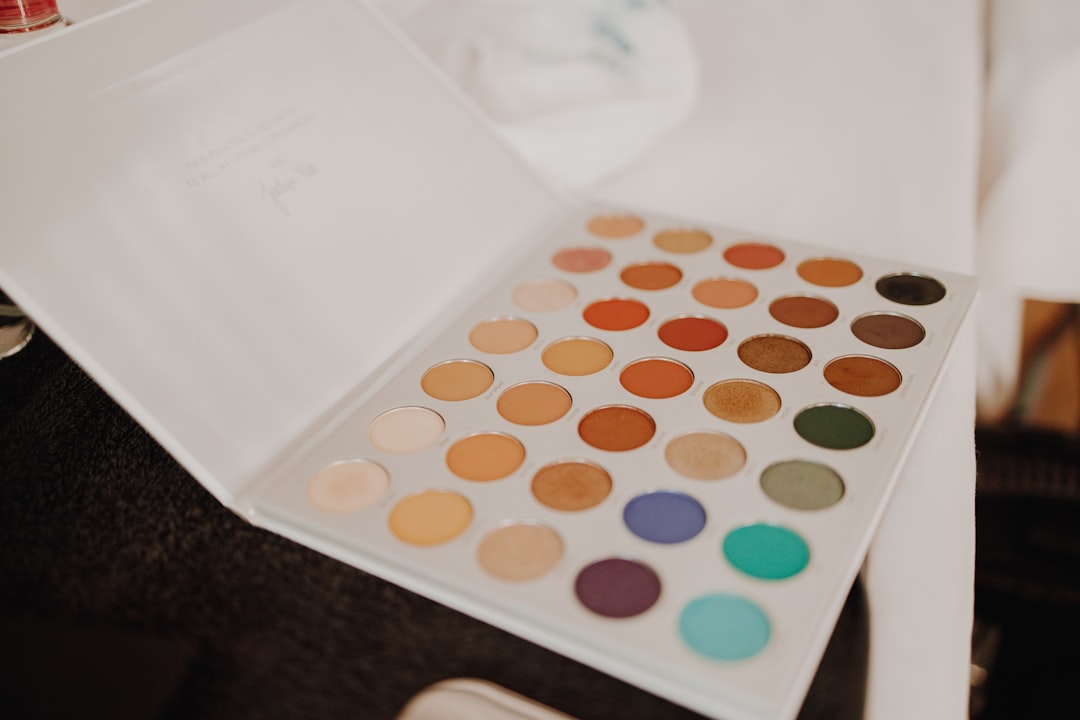
- Eyeshadows: A versatile palette system with mattes, shimmers, and specialty finishes. Focus on neutrals first, then expand to color.
- Eyeliners: Pencil, gel, and liquid formulations in black, brown, and nude.
- Mascaras: Waterproof and regular formulas in black and brown. Include clear mascara for grooming brows.
- Brow Products: Pencils, powders, and gels in various shades to match different hair colors.
- Eye Primers: For extending wear and intensifying color payoff.
Professional Tip: Invest in individual shadow pans rather than pre-made palettes when possible. This allows for customization and easier replacement of frequently used shades.
4. Lip Products
A comprehensive lip collection includes:
- Lip Liners: Neutral shades that can work with multiple lipstick colors (nude, pink, red, deep).
- Lipsticks: Essential colors in various finishes (matte, cream, satin). Start with universal nudes, reds, pinks, and deeper tones.
- Lip Glosses: Clear and tinted options for versatility.
- Lip Primers and Treatments: For prepping lips and extending wear.
Professional Tip: A lip palette allows you to mix custom colors and reduces the bulk of carrying multiple lipstick tubes. Use a clean spatula to extract and mix products for hygiene.
Essential Tools for Your Kit
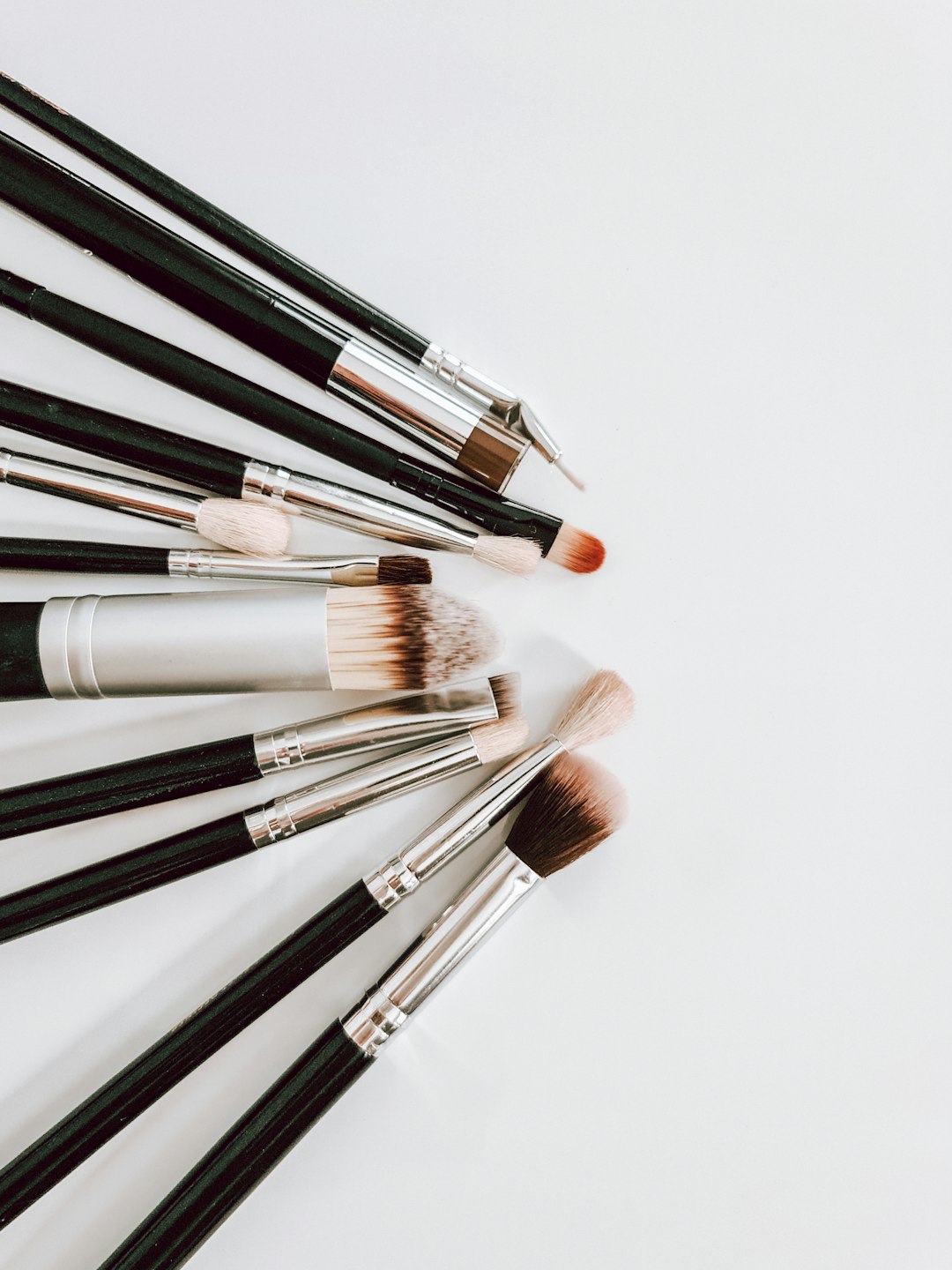
The right tools can make or break your application. Invest in quality brushes and accessories:
1. Makeup Brushes
- Foundation Brushes: Dense, flat brushes for full coverage; buffing brushes for seamless blending.
- Concealer Brushes: Small, precise brushes for detailed work.
- Powder Brushes: Fluffy brushes for setting and finishing.
- Contour and Blush Brushes: Angled and tapered brushes for precise placement and blending.
- Eye Brushes: A variety of sizes for application, blending, and detail work (shader, crease, pencil, smudger).
- Lip Brushes: Synthetic, precise brushes for lipstick application.
Professional Tip: Brush quality matters more than quantity. Start with essential shapes from reputable brands and expand as your career grows. Always allocate a significant portion of your initial budget to quality brushes—they're an investment that will last for years with proper care.
2. Additional Tools
- Beauty Sponges: For blending foundations and concealers.
- Eyelash Curlers: Both standard and mini sizes for different eye shapes.
- Tweezers: Slant and pointed tips for different brow grooming needs.
- Disposable Applicators: Mascara wands, lip brushes, and sponge tips for hygiene.
- Palette and Mixing Plates: For custom mixing and hygiene.
Skincare and Prep Essentials
Professional makeup application begins with proper skin preparation:
- Cleansers: Gentle options for removing makeup or preparing skin.
- Moisturizers: Lightweight and rich formulas for different skin types.
- Primers: Various formulations for different skin concerns (hydrating, mattifying, smoothing).
- Eye Cream: To hydrate and smooth the delicate eye area before concealer.
- Lip Scrub and Balm: For prepping lips before color application.
Special Effects and Enhancement Products
Depending on your specialty, consider these additions:
- False Eyelashes: Various styles from natural to dramatic, plus quality lash glue.
- Airbrush System: For flawless, long-wearing foundation (especially for bridal and events).
- Body Makeup: For coverage and enhancement beyond the face.
- Special Effects Products: If your work extends to theater or creative looks.
Organization and Hygiene
A professional kit must be organized and maintain strict hygiene standards:
- Set Bag or Case: Invest in a durable, easy-to-clean case with adjustable compartments.
- Sanitizing Products: 70% isopropyl alcohol, brush cleaner, and sanitizing sprays.
- Disposables: Mascara wands, lip applicators, and spatulas for hygienic application.
- Tool Cleansers: Solid and liquid brush cleansers for regular maintenance.
- Towels and Cape: For client comfort and protection.
Professional Tip: Create a systematic organization method for your kit that allows you to quickly access products during application. Color-coding or clear labeling can save precious time during jobs.
Building Your Kit Strategically
Building a professional kit is a significant investment. Here's how to approach it strategically:
1. Start with the Essentials
Begin with versatile products that can be used for multiple purposes. Prioritize items that will be the foundation of every look:
- A foundation system with adaptable shades
- Essential brushes and tools
- Neutral eye and lip products
- Quality skincare basics
2. Expand Thoughtfully
As you book more jobs and define your specialty, add products that enhance your particular style or meet the requirements of your typical clients.
3. Regularly Audit Your Kit
Every few months, assess what products you're using frequently and what's gathering dust. Streamline your kit by removing products that don't serve your current work.
4. Stay Current but Selective
While it's important to be aware of trends and innovations, be selective about adding new products. Test thoroughly before introducing them to your professional kit.
Did You Know?
The term "visagiste" was originally used to describe makeup artists who approached their work with a comprehensive understanding of facial structure, color theory, and aesthetics. Unlike general makeup artists, visagistes are trained to analyze and enhance facial features based on bone structure and proportions—a skill set that distinguishes the most successful professionals in the industry.
Final Thoughts
Building a professional makeup kit is an ongoing process that evolves with your career. Focus on quality, versatility, and organization from the beginning. Remember that the most important tool in your kit is your knowledge and technique—continuously invest in education and practice to maximize the potential of every product you carry.
What essential items do you consider non-negotiable in your professional kit? Share your thoughts in the comments below!



Comments (2)
Melissa P
March 11, 2024This is exactly what I needed! I'm starting makeup school next month and was overwhelmed with what to purchase first. The strategic approach makes so much sense—quality over quantity. Thank you!
David T
March 12, 2024As someone who's been in the industry for 5 years, I wish I had this guide when I started! I wasted so much money on trendy products that I rarely used. Your advice on regular kit audits is spot on. One question: what's your take on investing in high-end brushes vs. mid-range options?
Leave a Comment